Your Guide to Florida's Roofing Codes: Ensuring Your New Roof is Safe, Strong, and Compliant
Getting a new roof is one of the most significant investments you'll make in your Central Florida home. It's not just about curb appeal; it's your primary defense against intense sun, daily afternoon showers, and the powerful winds of hurricane season. But what ensures your new roof is truly up to the task? The answer lies in the Florida Building Code.
For many homeowners, building codes can seem like a complex web of regulations and red tape. However, these rules are specifically designed to protect you, your family, and your property. They set the minimum standard for safety and durability in a state with some of the most demanding weather conditions in the country. Understanding the basics of the code helps you ask the right questions and choose a contractor who prioritizes quality and compliance. This guide will demystify the key aspects of Florida's roofing code, giving you the confidence you need for your next roof replacement project.
Why Florida's Roofing Code is One of the Strictest
The Florida Building Code isn't strict just for the sake of it; it's a direct response to our state's unique climate. Decades of data from major storms have shaped these regulations to ensure modern roofs can withstand severe weather events. The primary goal is to keep your roof intact when it matters most.
Here’s why compliance is so critical:
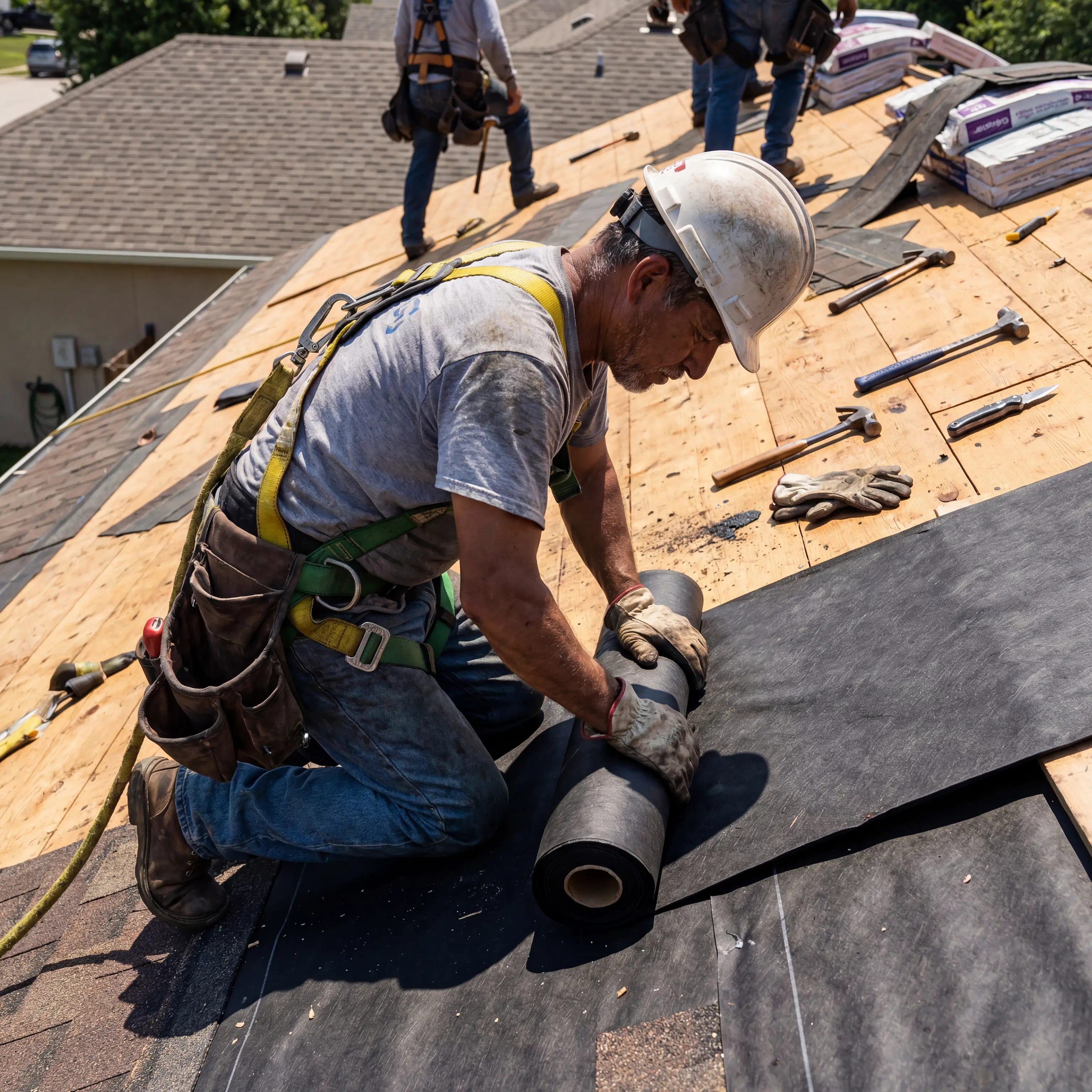
- Hurricane Resistance: The code mandates specific materials and installation techniques designed to resist high-wind uplift. This includes everything from the type of nails used to their precise placement pattern, which is crucial for preventing shingles from being torn off during a storm.
- Water Intrusion Prevention: Beyond high winds, our region deals with torrential rain. The code requires a secondary water resistance barrier—an essential layer of protection under your shingles that prevents leaks even if some of the primary roofing material is damaged.
- Insurance and Home Value: A code-compliant roof is a non-negotiable for insurance companies. Proper wind mitigation features installed to code can often lead to significant discounts on your homeowner's insurance premiums. Furthermore, a fully permitted and properly installed roof is a major asset that adds significant value and peace of mind for future buyers.
Key Code Requirements for Your New Roof Installation
While the full building code is extensive, a few key requirements have a major impact on the quality and longevity of your roof. A professional roofing contractor will manage these details, but knowing what to look for is empowering.
- Enhanced Nailing: The code specifies a minimum number of nails per shingle (typically six) and their exact placement to maximize wind resistance. Using the wrong type of nail or improper placement can void a manufacturer's warranty and compromise the entire system.
- Secondary Water Barrier: This underlayment is applied directly to the roof deck. Modern codes often require a “peel-and-stick” membrane over the entire roof deck, which seals around nail penetrations and creates a waterproof barrier. This is your roof's last line of defense against water damage.
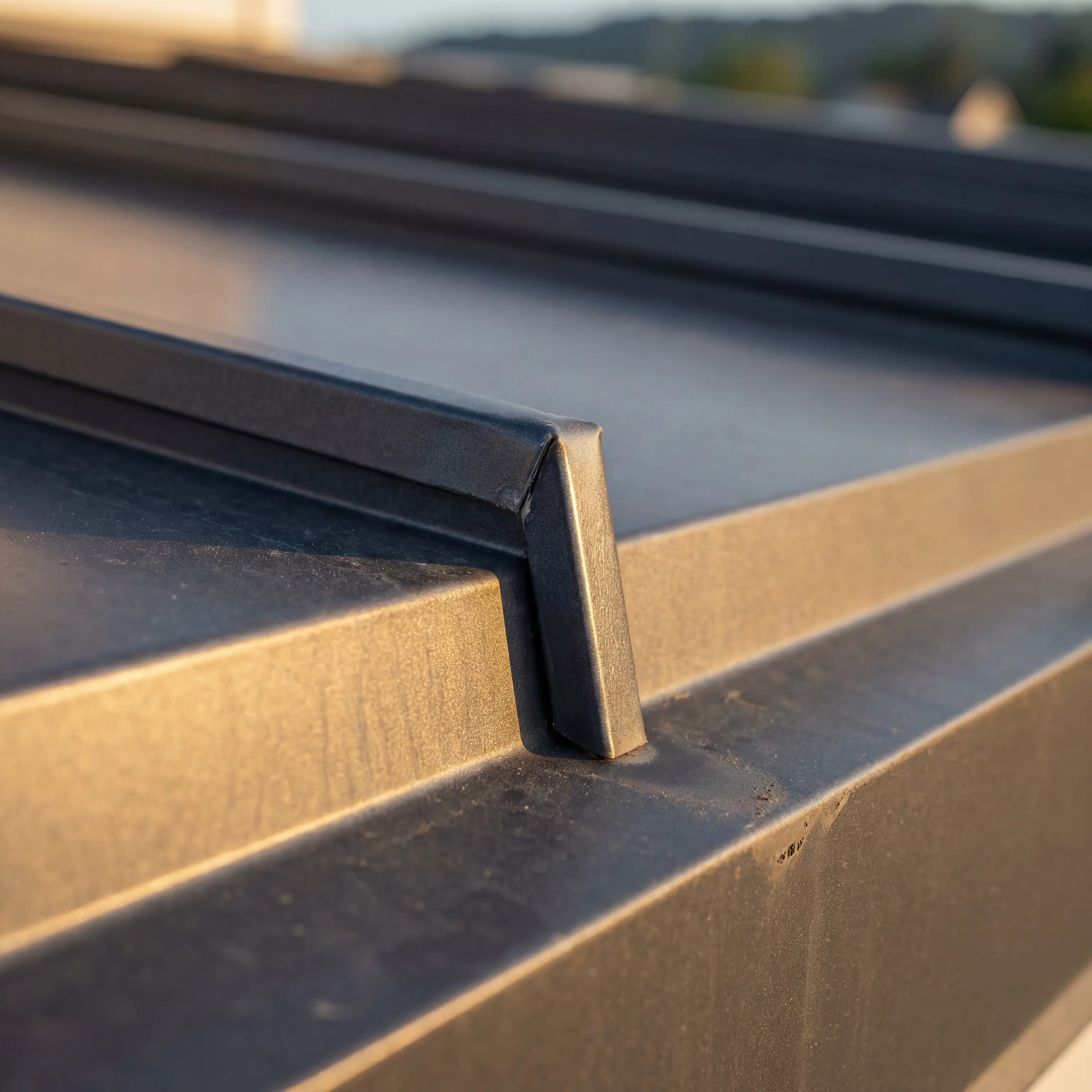
- Drip Edge and Flashing: The code requires a metal drip edge along all eaves and rakes to direct water away from the fascia. Proper flashing is also mandated around every penetration—like vents, chimneys, and skylights—to seal these vulnerable areas from leaks.
A proper roof installation that adheres to these standards is the difference between a roof that lasts a decade and one that can protect your home for 25 years or more.
The Importance of Permitting and Inspections
If a contractor suggests you can save money by skipping the permit, that is a major red flag. The permitting and inspection process is a crucial part of consumer protection built into the system.
First, your contractor will submit plans to the local building department to pull a permit. This step ensures that the planned work meets all current code requirements before a single shingle is laid. It officially documents the project and holds the contractor accountable.
Next, a city or county inspector will visit the job site—often once the old roof is off and the new underlayment is down, and again upon completion. This independent, third-party verification confirms that the work was performed according to the approved plans and meets the stringent standards of the Florida Building Code. It’s an essential quality control check that protects your investment and ensures your roof is truly safe and secure.
Trust Your Roof to a Code-Compliant Expert
Navigating the Florida Building Code doesn't have to be a source of stress. When you partner with a knowledgeable and reputable roofer, you can rest assured that every detail is handled correctly. At Blue Cedar Roofing & Construction, we are committed to the highest standards of craftsmanship and transparency. We are fully licensed and insured, and our crews are extensively trained on the latest code requirements and manufacturer specifications.
We manage the entire permitting and inspection process, ensuring your new roof is not only beautiful but also fully compliant, safe, and built to last through many Florida storm seasons. A strong roof starts with a strong foundation of knowledge and integrity.
If you're ready to discuss your project with a team that puts quality and compliance first, contact Blue Cedar Roofing & Construction today. We're here to provide expert roofing services and give you the peace of mind you deserve.