Your First Line of Defense: Choosing the Best Shingles for Florida's Hurricane Season
Living in Central Florida means enjoying beautiful sunshine for most of the year, but it also means preparing for the annual hurricane season. When it comes to protecting your home from high winds and driving rain, your roof is the most critical barrier. But not all roofing materials are created equal. Choosing the right shingles isn't just about color or style; it's about investing in a robust system designed to withstand the unique challenges of our climate. This guide will walk you through the latest advancements in shingle technology, helping you make an informed decision that provides peace of mind, enhances your home's value, and can even lower your energy bills.
Beyond Wind Speed: What Makes a Shingle Hurricane-Ready?
When you hear about hurricane-resistant roofing, the first thing that often comes to mind is wind rating. While incredibly important, it's only part of the story. A truly resilient shingle is a combination of smart design, strong materials, and superior technology.
Wind Resistance Ratings: Modern architectural shingles are engineered to withstand significant uplift. Look for shingles rated for at least 130 mph winds, which is the standard for many high-quality products. This rating is achieved through a combination of the shingle's weight, construction, and, most importantly, its sealant.
Advanced Sealant Technology: The black tar strip on the underside of a shingle is its lifeline during a storm. In the Florida heat, this sealant activates and bonds the shingles together, creating a unified, water-tight shield. Manufacturers have developed aggressive sealants that create a stronger, faster bond, which is crucial for preventing wind from getting underneath and lifting the shingles off.
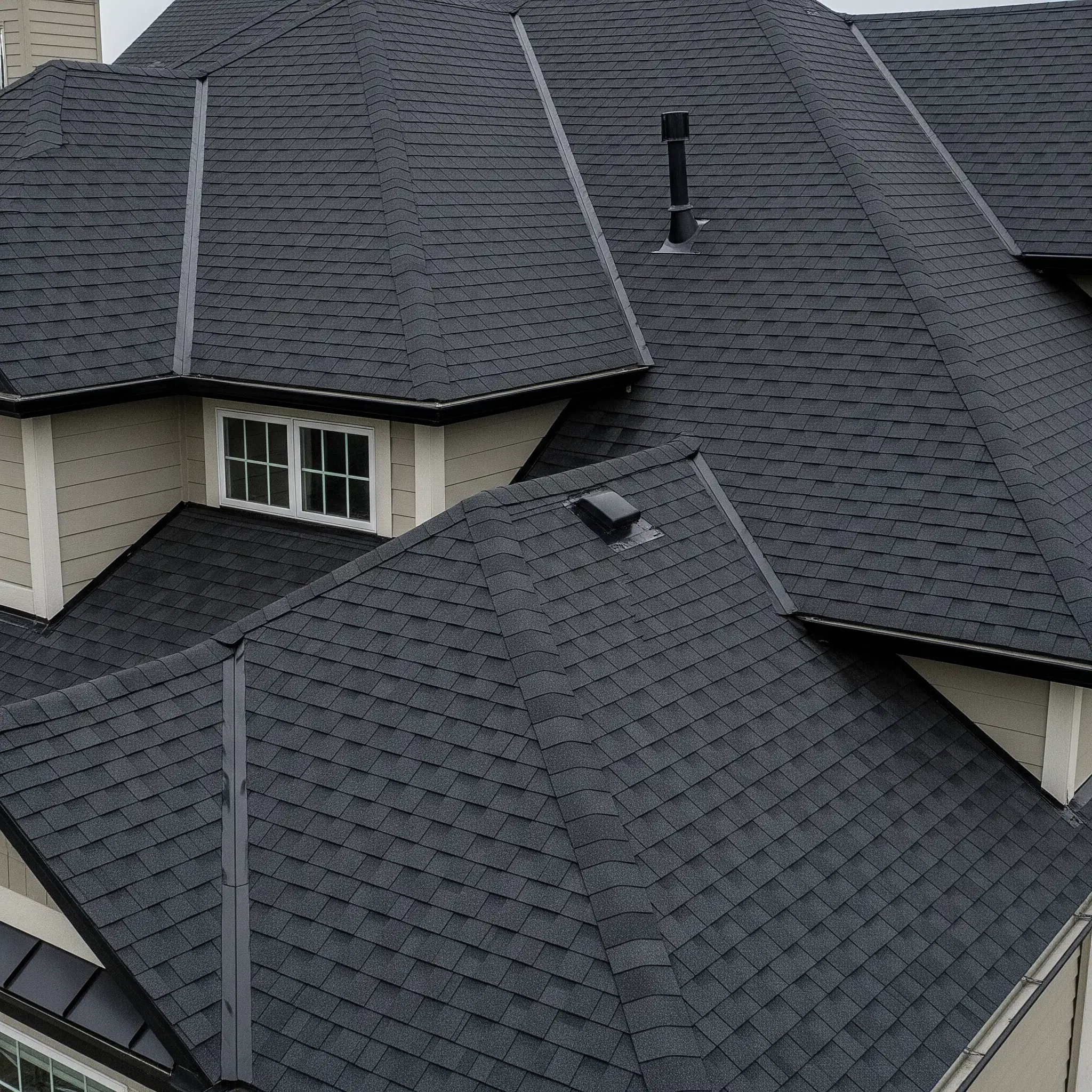
Durable Construction: Unlike older 3-tab shingles, modern architectural (or dimensional) shingles are thicker and heavier, with multiple laminated layers. This construction not only provides a more appealing, textured look but also adds significant strength and durability against wind and flying debris.
The Ultimate Upgrade: Class 4 Impact-Rated Shingles
During a hurricane, wind isn't the only threat. Flying debris, from small branches to larger objects, can turn into dangerous projectiles. This is where impact resistance becomes a game-changer. Shingles can be tested for their ability to withstand impact, with Class 4 being the highest rating available for residential roofing.
To earn a Class 4 rating, a shingle must withstand having a 2-inch steel ball dropped on it multiple times from a height of 20 feet without splitting or cracking. This level of durability offers superior protection against not just hurricane debris but also severe hail. While they represent a higher initial investment, Class 4 shingles provide an unparalleled level of protection. Furthermore, installing a Class 4 rated roof may qualify you for significant discounts on your homeowner's insurance policy, making it a wise financial decision in the long run.
Beating the Heat and Lowering Bills with Cool Roof Technology
Protection from storms is paramount, but what about the daily challenge of the Florida sun? The heat absorbed by your roof can significantly increase the temperature in your attic, forcing your AC to work overtime. This is where "cool roof" shingles come in.
These innovative shingles are designed with special granules that reflect more of the sun's infrared radiation. By absorbing less heat, a cool roof can keep your attic—and your entire home—cooler, leading to tangible savings on your energy bills. They come in a wide variety of colors, including darker shades that are more reflective than their standard counterparts. Opting for energy-efficient shingles is a smart way to improve your home's comfort and reduce your carbon footprint, all while maintaining excellent durability and curb appeal.
A Complete System for Total Protection
Even the best shingles in the world won't perform as expected if they aren't part of a complete, professionally installed roofing system. The components working together beneath the surface are just as important as the shingles you can see.
- Upgraded Underlayment: The water-resistant barrier between your roof deck and your shingles is crucial. Modern synthetic underlayments offer superior tear resistance and water protection compared to traditional felt paper, providing a vital secondary defense against water intrusion, especially during our heavy afternoon showers.
- Proper Ventilation: A well-ventilated roof system, including effective ridge vents, helps regulate attic temperature and moisture. This not only contributes to energy efficiency but also extends the life of your shingles by preventing heat damage from below.
- Expert Installation: The most critical component is the quality of the roof installation. Adhering to manufacturer specifications for nailing patterns, reinforcing ridge caps, and ensuring proper flashing techniques are essential for achieving the maximum wind resistance and longevity your new roof is designed for. A system is only as strong as its weakest link, which is why professional craftsmanship is non-negotiable.
Make the Right Choice with Blue Cedar Roofing
Choosing the right shingles for your home is a significant decision. By prioritizing high wind resistance, considering an upgrade to Class 4 impact rating, and exploring the benefits of cool roof technology, you can build a formidable defense against Florida's weather. Remember that these advanced materials must be supported by a properly installed system to deliver the protection you need.
At Blue Cedar Roofing & Construction, we specialize in providing tailored roofing services that stand up to the heat and the storms. If you're considering a roof replacement and want to ensure your Central Florida home is protected by the best materials and craftsmanship, we're here to help. Contact us today for a comprehensive consultation and a transparent, detailed estimate.