Why High Wind Nailing Prevents Shingle Loss
Living in Central Florida means adapting to a unique and often unpredictable climate. From the intense heat of the summer sun to the seemingly unavoidable 3 PM Downpour, your home's exterior takes a beating. However, the true test of your home's defenses arrives during hurricane season. As high winds batter our region, the structural integrity of your roof becomes your family's first line of protection. While many homeowners focus entirely on the type and color of the material they choose, there is a hidden hero that determines whether your roof survives a major storm: the nailing technique.
At Blue Cedar Roofing & Construction Inc, we have seen firsthand what happens when out-of-state storm chasers rush through local jobs using substandard techniques. Shingles blow off, leaks develop, and homeowners are left navigating frustrating insurance claims. The secret to preventing shingle blow off in storms isn't just about buying premium materials; it is about how those materials are secured to the roof deck. Proper high wind nailing is the critical difference between a roof that fails prematurely and one that stands strong for decades.
The Science Behind Proper Roof Shingle Nailing Patterns
To understand why nailing matters so much, it helps to look at the mechanics of a roofing system. Every shingle manufacturer provides specific guidelines for how their products must be installed to achieve their maximum wind resistance rating. In standard conditions, an architectural shingle is typically secured using four nails. However, to meet high wind shingle installation standards and survive the severe weather we experience in CFL, a specialized six-nail pattern is required.
But it is not just about the number of nails; it is about precise placement. Every shingle has a designated "nail line" or strike zone. If a roofer places the nail too high, it won't penetrate the underlying shingle, severely weakening the entire interlocking system. If placed too low, the nail is exposed to the elements and can rust, leading to leaks. Proper roof shingle nailing patterns require time, patience, and meticulous attention to detail.
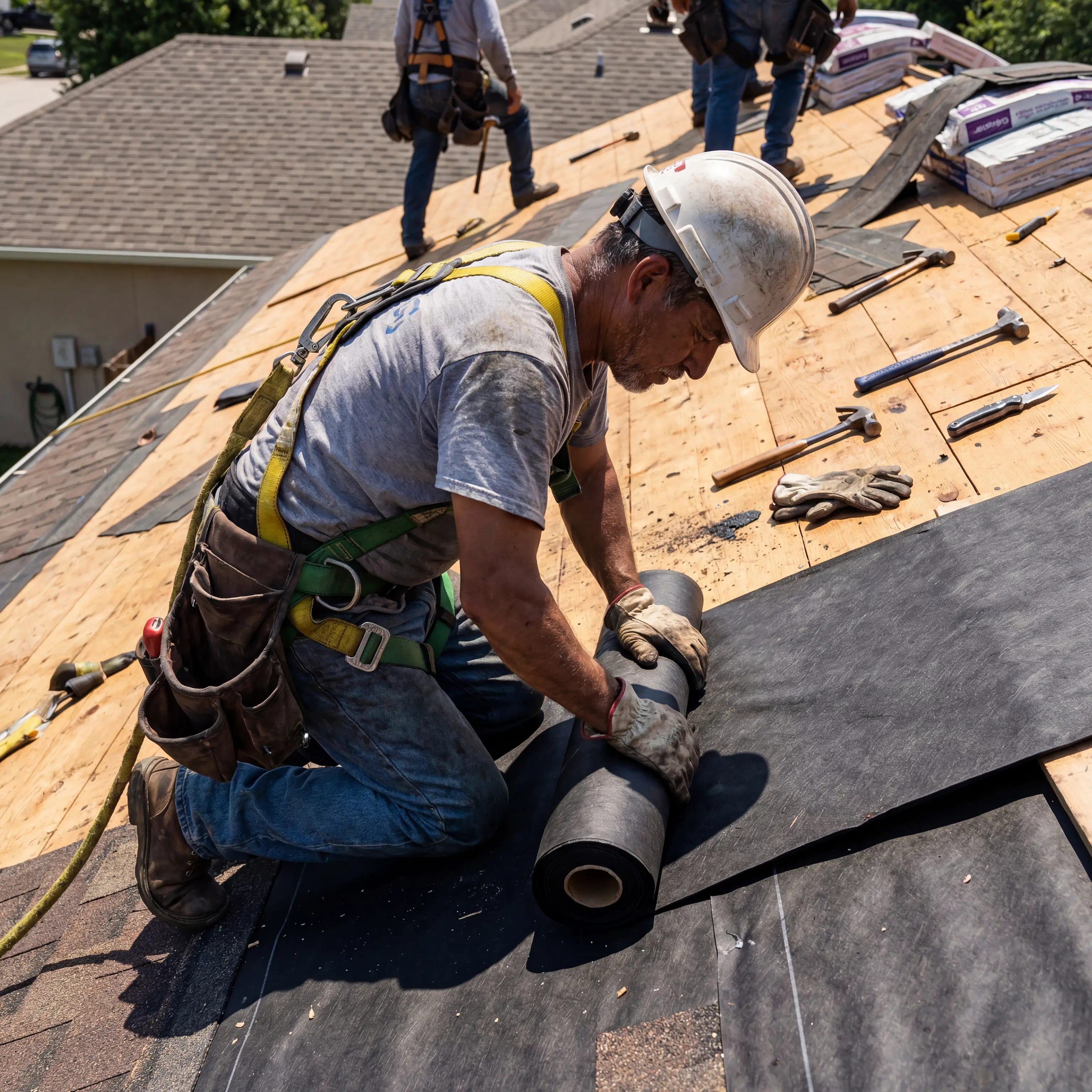
Unfortunately, when there is a severe shortage of skilled roofing labor, some contractors prioritize speed over accuracy. They may use pneumatic nail guns at incorrect pressures, driving nails completely through the shingle matrix or leaving them raised, both of which render the shingle susceptible to catching wind. This is why having an experienced, local team is essential. A site supervisor who oversees the crew ensures that every single fastener is driven flush and positioned exactly where the manufacturer intended.
Meeting Florida Building Codes and Manufacturer Standards
The Florida Building Code has strict requirements regarding wind mitigation and hurricane-resistant installation standards. Because our region is highly vulnerable to severe weather, your roof must be built to handle incredible uplift forces. High wind nailing isn't just a best practice; it is a code requirement designed to keep your home safe.
Homeowners frequently ask us how they can prepare their roofs for hurricane season or what materials work best in our hot, humid climate. We strongly recommend upgrading to Class 4 impact-rated architectural shingles with cool, reflective properties to enhance energy efficiency. However, even the highest-rated shingle will fail if not installed correctly. By adhering strictly to manufacturer specifications for nailing, sealant, and ridge cap reinforcement, we ensure that your roof achieves its maximum 130-150 mph wind resistance rating.
Furthermore, proper installation is paramount to securing your warranties. Roofing material manufacturers are known to void warranties if an inspection reveals improper nailing patterns. When you invest in a roof installation, you expect long-term protection. By taking the time to install your roofing system the right way, we ensure that both the manufacturer's warranty on materials and our own workmanship warranty remain completely intact, protecting you against future material defects or installation errors.
Protecting Your Investment and Securing Peace of Mind
Navigating the ongoing property insurance crisis is a major concern for local residents. Insurers are increasingly scrutinizing the age and condition of roofs. A meticulously installed roof doesn't just protect your living room from water damage; it plays a pivotal role in wind mitigation, potentially helping you secure or retain your homeowner's insurance policy while lowering your annual premiums.
We understand that transparency is crucial when undertaking a major home improvement project. That is why we emphasize roof installation photo documentation benefits. Throughout the tear-off and installation process, our site supervisors take detailed photos of the underlying decking, the underlayment, and the nailing patterns. This documentation proves to you, and to your insurance company, that the work was executed flawlessly and up to the highest local standards. If we uncover unexpected issues like rotted decking, we immediately halt work, document the problem, and communicate with you directly to approve necessary repairs without disrupting the timeline.
Your home deserves a roof system tailored to your specific needs, built to withstand the harshest elements The Tri-County Area has to offer. By combining premium materials with unwavering craftsmanship and proper high wind nailing techniques, we deliver results that last.
If you are wondering whether your current roof is prepared for the next big storm, or if you are ready to discuss a durable, energy-efficient replacement, we are here to help. Reach out to Blue Cedar Roofing & Construction Inc today to learn more about our roofing services and to schedule a comprehensive inspection. Let us provide you with the peace of mind you deserve, supported by transparent pricing, flexible financing options, and unmatched local expertise. Please visit our contact us page to get started on your journey to a stronger, safer home.