Preventing Leaks at Your Lanai Roof Tie-In
For homeowners in Central Florida, an outdoor living space isn't just a luxury—it's a fundamental part of the lifestyle. Whether you are enjoying a quiet morning coffee or hosting a weekend barbecue, your lanai serves as the perfect bridge between the comfort of the indoors and the beauty of the outdoors. However, architecturally speaking, the point where your patio or screen enclosure connects to your home's main structure represents a significant vulnerability.
Connecting a flat or low-slope patio cover to a traditional sloped roof creates a complex junction. When the inevitable 3 PM downpour rolls through Orlando, this transition area bears the brunt of cascading water, high winds, and heavy runoff. If not properly constructed and maintained, it quickly becomes the prime suspect for water intrusion. At Blue Cedar Roofing & Construction Inc, we frequently receive calls from homeowners frustrated by mysterious water stains appearing right at the edge of their sliding glass doors or back porch ceilings.
Understanding the mechanics of preventing roof leaks at lanai tie in points is crucial for protecting your property. Let's explore why these junctions fail, the importance of proper flashing, and how to ensure your outdoor oasis remains dry and secure through every season.
Why the Patio Roof Junction is Vulnerable
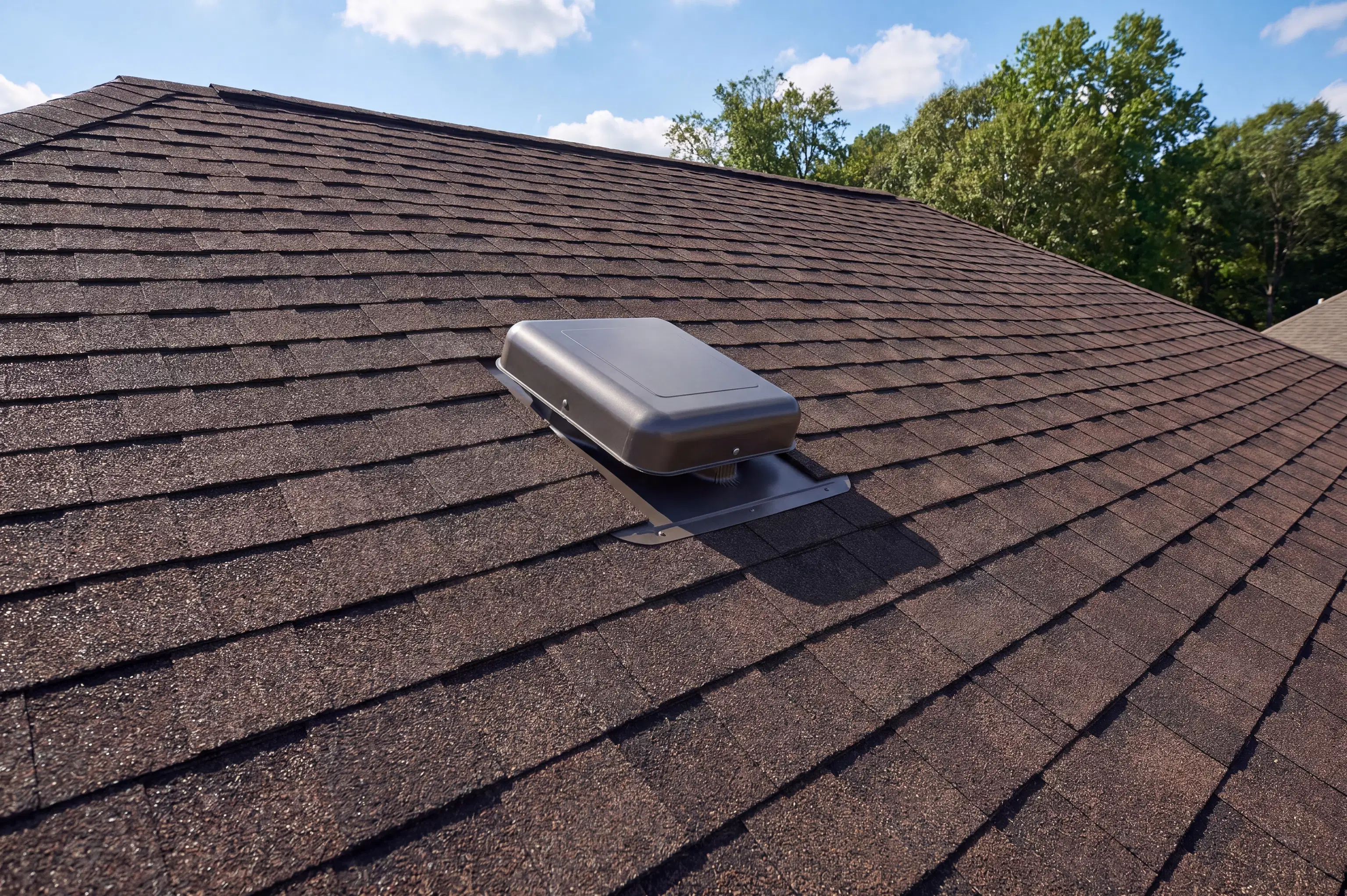
The fundamental challenge of any roof tie-in lies in the change of pitch and materials. Your main roof is designed to shed water rapidly due to its steep slope. When that rushing water hits the lower-pitched or flat roof of a screen enclosure, it drastically slows down. If the junction isn't sealed perfectly, water will pool and eventually back up under the shingles or roofing material of the main house.
Several factors contribute to the breakdown of this critical connection. First, Florida's intense heat and high humidity cause building materials to expand and contract at different rates. Over time, this thermal cycling can loosen fasteners and break the seal of aging caulking or roofing cement. Second, severe weather during hurricane season can drive rain horizontally, pushing moisture directly into the smallest gaps where the two structures meet.
When homeowners ask us how to seal patio roof to house junction properly, the answer rarely involves a simple tube of caulk. Relying on superficial sealants is a temporary band-aid that will inevitably fail under the stress of our local climate. Repairing roof leaks around screened porch areas requires a comprehensive understanding of water management, proper underlayment routing, and precise metalwork to ensure water is directed away from the structural framing of your home.
Professional Flashing Installation for Screen Enclosures
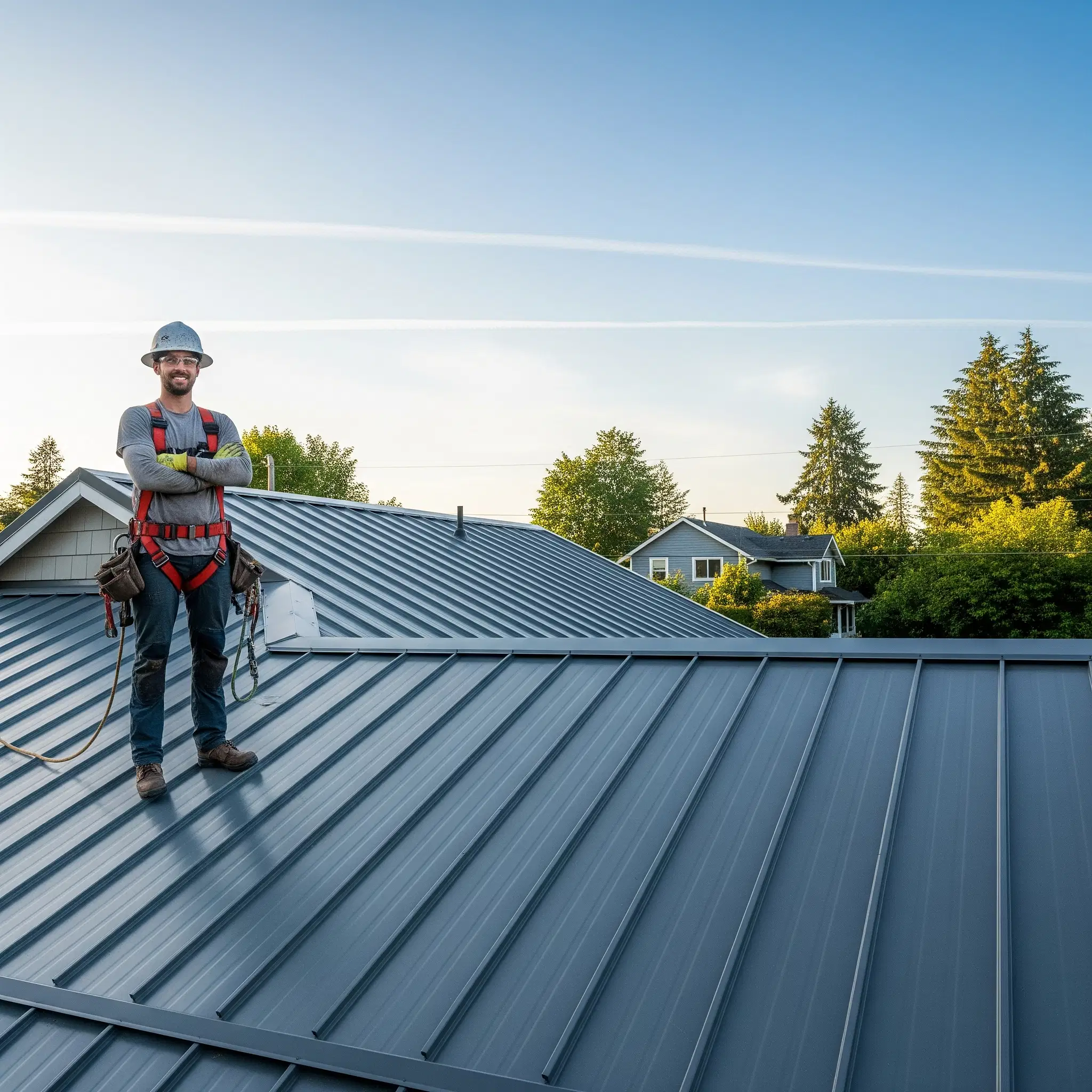
The secret to a watertight tie-in lies entirely in the flashing. Flashing is the custom-fabricated metal material used to direct water away from critical areas of the roof. Proper flashing installation for screen enclosure connection is not a one-size-fits-all process; it requires meticulous integration with your existing roofing system.
To meet strict Florida Building Codes and wind mitigation standards, the flashing must be installed in a very specific sequence. It typically involves removing a portion of the main roof's siding or exterior finish, installing a specialized metal transition flashing that extends up the wall and down over the patio roof, and then integrating it seamlessly with the underlayment and shingles. At Blue Cedar Roofing & Construction Inc, our crews are extensively trained in high-wind-rated installation techniques. We adhere strictly to manufacturer standards for nailing, sealant, and reinforcement, ensuring that your tie-in can withstand the extreme pressure of high-velocity winds.
If you are noticing the early signs of water damage, such as peeling paint, damp wood, or visible drips during a storm, it is critical to seek a professional roof repair immediately. Delaying these repairs can lead to extensive rotted decking, compromised structural integrity, and costly interior damage that far exceeds the price of a proper flashing correction.
Repair or Replace: Making the Right Call for Your Home
While some tie-in issues can be resolved with localized repairs, there are times when recurring leaks at the lanai indicate a broader failure of the roofing system. Knowing whether to patch the problem or opt for a full roof replacement depends heavily on the age and overall condition of your roof.
This decision is particularly relevant right now due to the ongoing Florida property insurance crisis. Many insurance carriers are requiring homes with roofs older than 10 to 15 years to undergo a full replacement in order to maintain coverage. If your roof is nearing this age milestone, continually repairing the lanai junction might be a poor investment compared to a complete, proactive replacement that secures your homeowner's insurance policy and protects your home's equity.
When you work with us, our initial inspection process involves a thorough, honest review of all roof components, including these vulnerable tie-ins. We document everything with photos so you can see exactly what we see. We also know that a major concern during a full replacement is the potential for property damage. That's why we take extraordinary steps to protect your outdoor oasis. We utilize comprehensive tarping systems to shield your siding, windows, and landscaping, and we conduct rigorous magnetic nail sweeps across your driveway and lawn to ensure your property is left spotless.
Protect Your Outdoor Living Space Today
Your lanai should be a place of relaxation, not a source of stress every time the sky darkens. By ensuring your patio roof tie-in is properly flashed, sealed, and integrated with your main roofing system, you can protect your home from devastating water damage and extend the lifespan of your roof.
Whether you need an expert to diagnose a persistent leak around your screen enclosure or you're considering a proactive replacement to upgrade your home's hurricane resilience, Blue Cedar Roofing & Construction Inc is here to help. We are deeply committed to providing homeowners across The Tri-County Area with craftsmanship, transparency, and roofing systems designed specifically to conquer Florida's toughest weather.
Don't let a poorly designed tie-in compromise your home. Explore our comprehensive Roofing Services today, and let our dedicated team provide you with the peace of mind you deserve.