Beyond the Shingles: Essential Wind Mitigation Upgrades for Your Florida Roof
Living in Central Florida means enjoying beautiful sunshine for most of the year, but it also means preparing for the annual hurricane season. While we can't control the weather, we can take proactive steps to fortify our homes against high winds. One of the most effective ways to do this is through wind mitigation—a series of building techniques and upgrades designed to make your roof more resilient. These enhancements not only provide critical protection for your family and property but can also lead to significant savings on your homeowner's insurance. At Michael Mell, we believe a strong roof is about more than just keeping the rain out; it's about providing lasting peace of mind.
What Exactly is Wind Mitigation?
Wind mitigation refers to specific features in your home's construction that help it withstand strong winds. When a hurricane or severe storm hits, the immense pressure created by the wind can lift and peel away roofing materials, leading to catastrophic damage. A wind mitigation inspection is a formal assessment that verifies these protective features. An inspector looks for key structural elements that reduce wind-related risks. For homeowners, the benefits are twofold: a safer, more secure home and the potential for substantial discounts on insurance premiums, as a certified wind-resistant home is less of a risk to insure.
The Core Four: Critical Roof Upgrades for Wind Resistance
While a full wind mitigation report covers several areas of your home, the roof is the first and most important line of defense. Here are four essential upgrades that make a significant difference in your roof's ability to handle Florida's severe weather, all of which are standard practice in a modern roof replacement.
1. Stronger Roof-to-Wall Attachments This is the connection that holds your roof structure to the walls of your home. Older homes might only have nails holding the trusses in place. Modern building codes, however, require the installation of metal hurricane straps or clips that create a much stronger bond. These connectors are crucial for preventing the entire roof from lifting off during a high-wind event.
2. A Superior Roof Deck Attachment The roof deck is the layer of wood sheathing that sits on top of your trusses and under your shingles. Its strength depends entirely on how it's nailed down. The current Florida Building Code specifies a stricter nailing pattern with longer, stronger nails spaced closer together. This simple but critical detail dramatically increases the roof's ability to resist wind uplift and remain intact.
3. Secondary Water Resistance (SWR) What happens if some of your shingles are blown off? A Secondary Water Resistance (SWR) layer, also known as a “peel-and-stick” underlayment, is the answer. This self-adhering membrane is applied directly to the roof deck before the shingles are installed. It seals around the nails and creates a waterproof barrier that prevents water from pouring into your attic and home, even if the primary roofing material is compromised. It’s an invaluable upgrade for preventing major interior damage during a storm.
4. Impact-Rated Roofing Materials Beyond the structure, the materials you choose matter. Many manufacturers now offer architectural shingles and other roofing systems with high wind ratings (130 mph or more) and Class 4 impact resistance. These products are specifically engineered and tested to withstand wind-driven rain and impacts from flying debris, making them an excellent choice for any Florida home.
How Michael Mell Builds a Safer Roof Over Your Head
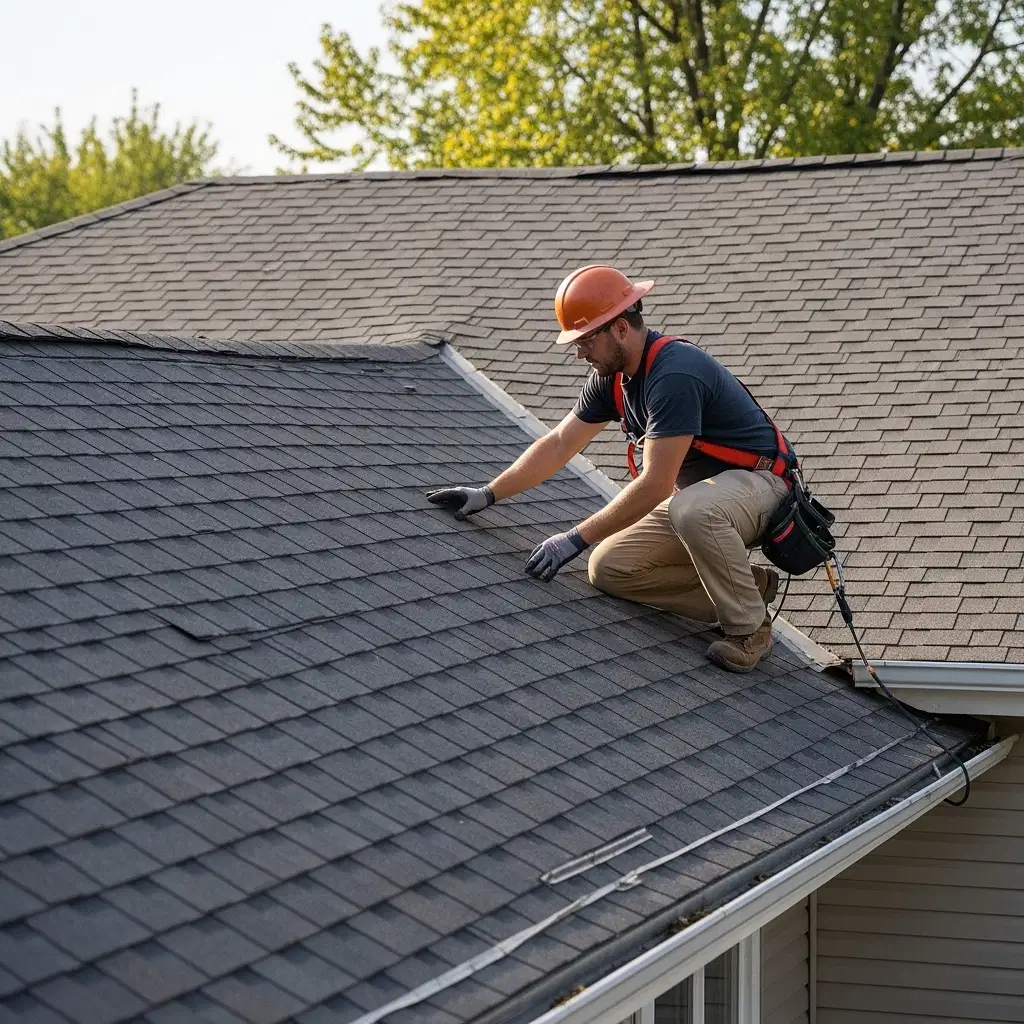
Understanding these features is one thing, but ensuring they are implemented correctly is another. At Michael Mell, we are committed to building roofs that not only look great but provide superior protection. Our expertise in local building codes and climate challenges means every roof installation we perform is built to last.
We build trust by focusing on craftsmanship and transparency. Our experienced crews are trained in the latest installation techniques required by the Florida Building Code to ensure your roof qualifies for wind mitigation credits. We use premium materials, from the underlayment to the shingles, and ensure every component is installed to manufacturer specifications. We believe that a properly built roof is one of the most important investments you can make in your home, protecting your property and giving you confidence when the next storm season arrives.
Invest in Protection and Peace of Mind
Strengthening your roof against high winds is a smart, proactive decision for any Florida homeowner. By focusing on key wind mitigation features like secure roof-to-wall connections, proper deck attachment, and a secondary water barrier, you significantly reduce the risk of storm damage. These upgrades not only fortify your home but can also make it more affordable to insure.
If you're considering a new roof or want to know if your current one is up to code, our team is here to help. Contact Michael Mell today for a comprehensive consultation on our roofing services and learn how we can help protect your Central Florida home for years to come. Schedule your free estimate online or give us a call!