A Homeowner's Guide to Navigating Storm Damage Insurance Claims in Orlando
Living in Central Florida means enjoying beautiful sunshine for most of the year, but it also means preparing for the inevitable: hurricane season. When a severe storm rolls through, the last thing you want to see is damage to your roof. The stress of the situation is often compounded by the confusing and intimidating process of filing an insurance claim. Many homeowners worry about missing a crucial step, dealing with adjusters, or not getting the full amount needed for a quality repair.
At Blue Cedar Roofing & Construction, we understand these concerns. We've seen firsthand how overwhelming the aftermath of a storm can be. That's why we've put together this guide to help you navigate the insurance claim process with confidence. Our goal is to demystify the steps, highlight common pitfalls, and show you how partnering with an experienced local roofer can make all the difference in protecting your most valuable asset.
Step 1: Immediate Actions to Take After the Storm
Once the storm has passed and it's safe to go outside, your first priority is to assess the situation and prevent any further damage to your home. Acting quickly and documenting everything is crucial for a smooth insurance claim.
- Safety First: Before you do anything else, ensure the area around your home is safe. Look for downed power lines, unstable tree limbs, or other immediate hazards. Do not climb on your roof, especially if it's wet or appears structurally compromised.
- Document Everything: Using your smartphone, take extensive photos and videos of the damage from the ground. Capture wide shots of each side of your roof and close-ups of any visible issues like missing shingles, dents from hail, or damage to gutters and flashing. This initial documentation is your most important piece of evidence.
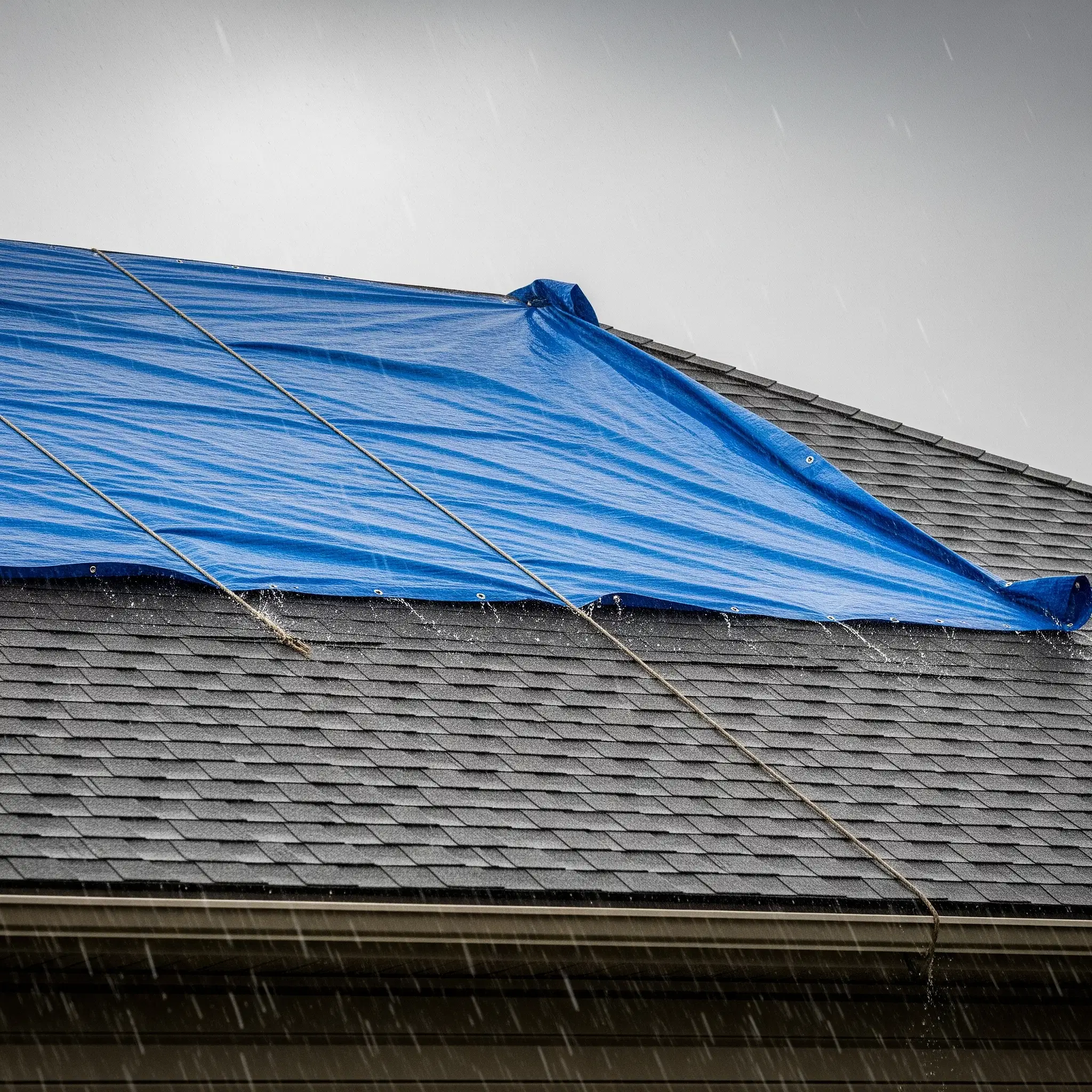
- Mitigate Further Damage: Your insurance policy requires you to take reasonable steps to prevent further damage. This might involve placing a tarp over a leaking area. If you're not comfortable doing this yourself, call a professional for emergency roofing services. Keep receipts for any temporary repairs you make, as these are often reimbursable.
Step 2: Filing Your Claim and Getting a Professional Inspection
With initial documentation in hand, it's time to officially start the process. This is where having a professional on your side becomes invaluable.
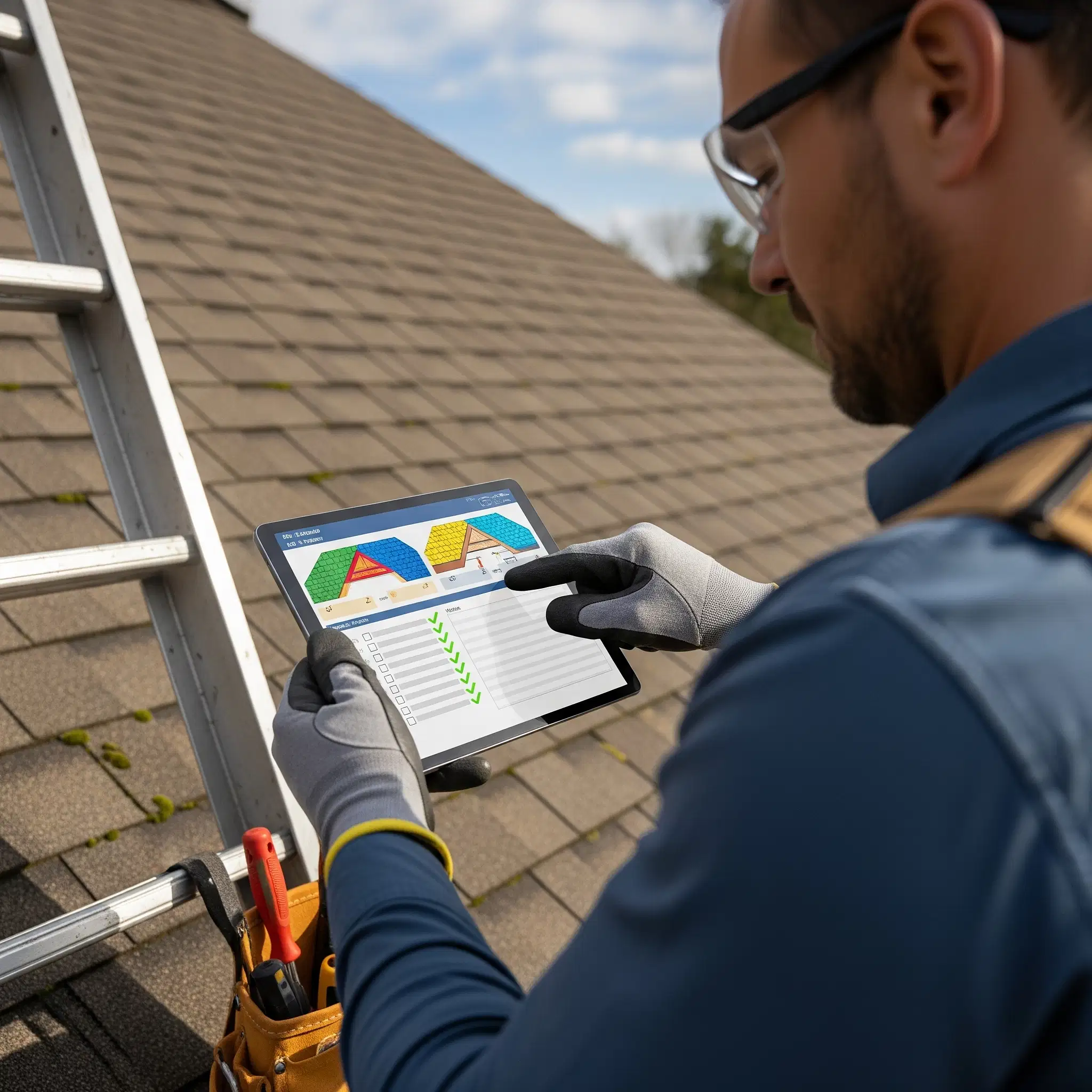
First, contact your insurance company to report the damage and open a claim. They will assign you a claim number and an adjuster. Next, and this is a critical step, call a reputable, local roofing contractor for a thorough inspection. While an insurance adjuster is trained to assess claims, a roofer is an expert in roofing systems. We can often identify damage that an adjuster might overlook, ensuring a comprehensive assessment.
At Blue Cedar Roofing & Construction, we are proud to be a preferred vendor for most major insurance companies. Our team is highly experienced in the claims process. We know what adjusters look for, how to document damage according to industry standards, and how to create a detailed, itemized estimate that accurately reflects the cost of a proper roof repair or replacement. We recommend having us present when the adjuster visits your property to ensure all damage is noted and you are represented by an expert.
Step 3: Understanding Your Scope of Work and Avoiding Pitfalls
After the adjuster's inspection, you will receive a "scope of work" or settlement report detailing the approved repairs and the amount the insurance company will pay. It's essential to review this document carefully with your roofing contractor. Here are some common pitfalls to avoid:
- Accepting a Low Initial Offer: The first offer may not be the final one. It might not account for local building code requirements, material price increases, or damage that wasn't immediately obvious. Your roofer can help you identify any discrepancies and, if necessary, file a supplement for additional funds.
- Hiring "Storm Chasers": After a major weather event, out-of-town contractors often flood the area. These "storm chasers" may use high-pressure tactics and offer deals that seem too good to be true. They often perform subpar work and are gone when problems arise later. Always choose a licensed, insured, and established local company with a solid reputation.
- Signing a Vague Contract: Your contract with the roofer should mirror the insurance scope of work. It should clearly list all materials to be used, the total cost, and the payment schedule. Never sign a blank contract or one with ambiguous terms.
Your Partner in Storm Recovery
The aftermath of a storm is stressful enough without having to become an insurance expert overnight. By following these steps—documenting damage, mitigating further issues, and partnering with a trusted professional—you can navigate the process successfully. A reliable roofer acts as your advocate, ensuring your home is restored correctly and that you receive the fair settlement you're entitled to.
If your home has suffered storm damage, don't face the insurance process alone. The team at Blue Cedar Roofing & Construction is here to help residents throughout the Orlando area with everything from emergency tarping and detailed inspections to expert roof replacement and claims assistance. Contact us today for a free inspection and let our expertise bring you peace of mind.